

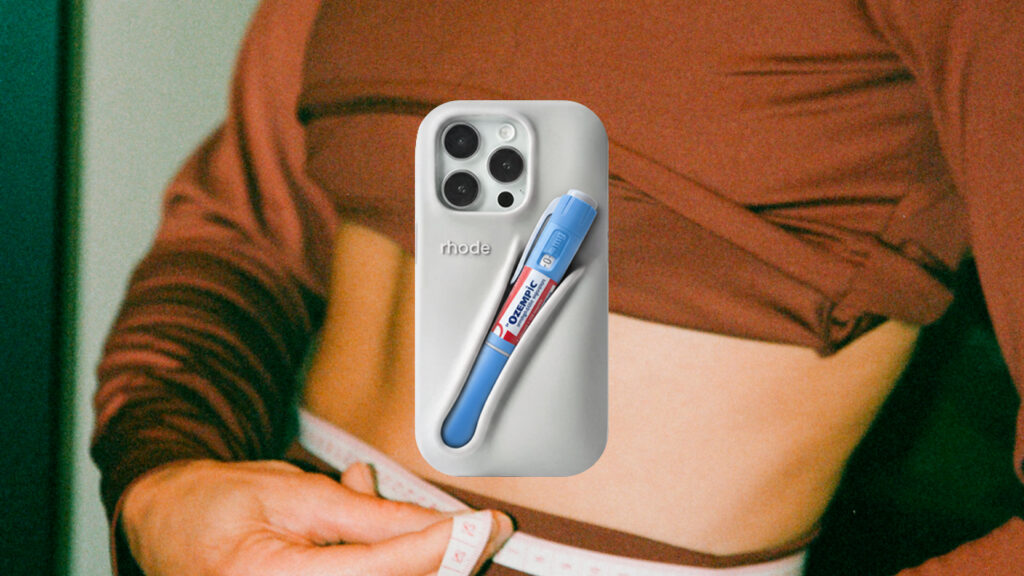
The GLP-1 Paradox: What the Shot Says About Us
GLP-1s started as medicine. They’ve become a cultural mirror.
Originally designed to manage diabetes and obesity, drugs like Ozempic and Wegovy have exploded into pop culture—and into our chats, feeds and briefs. But as they’ve moved from clinical to cultural, they’re revealing something deeper: how we value health, bodies and control. Here are some of the dynamics we have noticed in our discussions with founders and consumers in the past year:
Social Status vs. Shame
In certain circles, being on a GLP-1 has become a quiet flex. Access signals privilege: the right doctor, the right insurance, the right knowledge. “Health” becomes something you can buy, manage and show off.
“I’ll catch people asking for the skinny pen, the weight loss shot, or Ozempic,” said Dr. Priya Jaisinghani, an endocrinologist and clinical assistant professor at New York University’s Grossman School of Medicine. (CBS News)
But just beneath that sheen is shame. Users describe lying about how they lost weight for fear of being seen as “cheating.” (The Guardian) Others report stigma from both sides—judged for needing the drug, and judged for using it.
“Everyone thinks being on GLP-1s is cheating, like it’s the easy way out. But, you still have to do the work. You still have to exercise, you still have to eat well, all while having to manage the nausea and side effects. It almost makes it harder.” — Samantha, Chicago
It’s a strange duality: to be envied and discredited at the same time. For marketers, this tension is crucial. GLP-1s sit at the intersection of aspiration and admission—a status symbol that still carries social risk.

Quick Fix vs. Hard Journey
The cultural narrative has painted GLP-1s as a shortcut. But the reality is complex—costs, side effects, dosage titration and a lifetime of maintenance. These optics often diminish the unsupported and complex transitions that patients go through. We spoke with several founders who are developing support brands about the journeys they are witnessing:
“GLP-1s are framed as fast fixes. But for women, the reality is anything but easy. This is not weight loss. It’s body reengineering under extreme nutritional stress. Women are managing not only the known side effects, but the unexpected hormone chaos.” – Bertie Stringer, Founder, Metamorphosis
“There is nothing easy about fundamentally changing your relationship with food, energy and identity. The side effects are physical but the real adjustment is psychological. What fills the space once the obsession with food and weight fades? We need to help women through the whole process, not just the first step.” – Nikki Black, Founder, Glovera
The work remains: you still have to eat well, move, rebuild habits, repair your relationship with food. And, when users stop, many begin regaining weight within two months. (ABC News)
Before & After vs. During
As a society, we’re obsessed with transformation stories. Before & after shots are instant gratification, and GLP-1s slot perfectly into that storyline: the shot, the (unseen) shrinkage, the reveal. But the real story is what happens during:
“GLP-1s aren’t just about eating less or shrinking in size. They force you to rediscover who you are without the constant noise of food disruption. It can be both freeing and jarring to see yourself change—and to watch how differently the world responds.” —Nikki Black, Founder, Glovera
The “during” is messy, emotional, non-linear. And it is the part that is rarely shown—it doesn’t photograph well. So which story wins: The instant transformation or the ongoing work?

Skinny Culture vs. Body Inclusivity
The body-positivity movement fought hard to uncouple worth from weight. Yet the rise of GLP-1s threatens to rewind that progress. Scroll TikTok and you’ll see the new aesthetic emerging, thin is back.
“I’ve seen a huge uptick in content online that promotes diet culture, and very often tips over into eating-disorder territory,” says Alex Light, a body-image speaker. “A lot of it is subtle, disguised as ‘wellness,’ but some of it is blatant—like ‘what I eat in a day’ videos glorifying extremely low-calorie [diets], or creators encouraging their followers to be ‘skinny legends.’” Elle
Critics argue that the GLP-1 moment marks a regression from inclusivity to a sleeker, medically-sanctioned thinness. (Stanford Gender Institute). The moral judgment hasn’t disappeared—it’s just veiled in science and wellness.
The real question isn’t what GLP-1s are doing to our bodies. It’s what they’re revealing about our culture and values.
Does “wellness” need reframing now that the path to “well” has become toxic psychology, injections and surgeries?
How should we respond as Marketers & Strategists? Let us know what you think: hello@bartlettbrands.com